
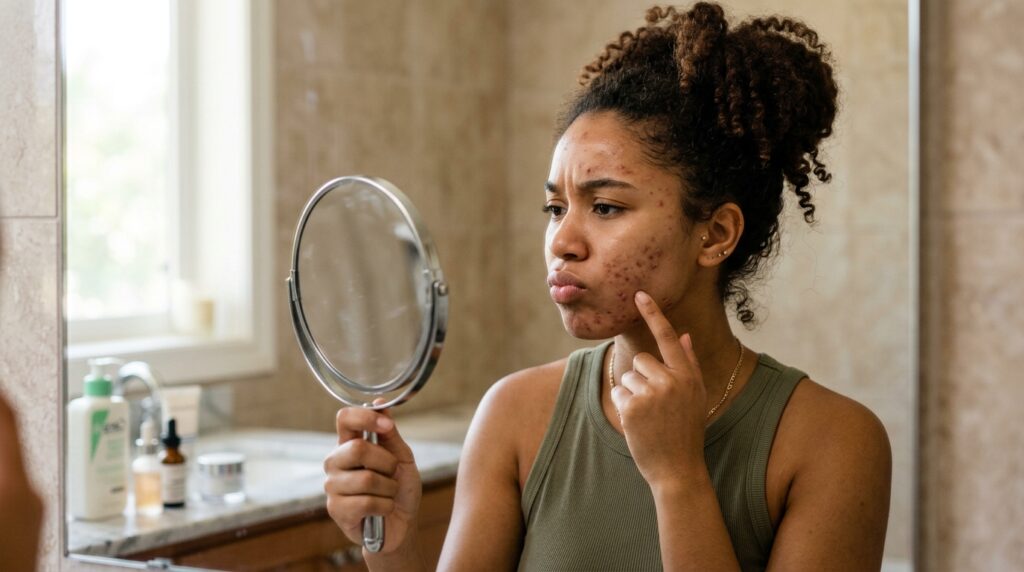
Consider fungal acne treatment if:
- You have tiny, itchy bumps on your forehead and/or chest.
- You’ve tried every acne treatment — salicylic acid, benzoyl peroxide, everything.
You may be dealing with fungal acne. But truthfully, there are more ways to be certain.
We’ve seen it umpteen million times at Beauty By Daz— bumps on your hairline, chest, back, flares when you just work out, etc.
So to help you get rid of fungal acne, we put this guide together. Just for you.
TL;DR: Everything You Need to Know About Fungal Acne Treatment
- Fungal acne is not actually acne; it’s a yeast infection in your hair follicles caused by an overgrowth of Malassezia, showing up as small, itchy, uniform bumps on the forehead, chest, back, and hairline.
- The best daily cleansers for fungal acne are the CeraVe Hydrating Cleanser, CeraVe Foaming Cleanser, and Cosrx Low pH Good Morning Gel Cleanser.
- If you want gentle exfoliation, try the CeraVe SA Smoothing Cleanser and Cosrx Salicylic Acid Daily Gentle Cleanser.
- The best toners for fungal acne are the Anua Heartleaf 77% Soothing Toner and Good Molecules Niacinamide Brightening Toner, both of which help calm inflammation and balance oil production.
- The best face serums for fungal acne are the Nineless B Boost 10% Niacinamide Serum, Axis-Y Dark Spot Correcting Glow Serum, and Good Molecules Niacinamide.
- The best moisturisers for fungal acne are the Anua Heartleaf 70% Daily Relief Lotion, Simple Hydrating Light Moisturiser, and Dr Althea 147 Barrier Cream.
- If you’re consistent with your fungal acne treatment, you’ll see clearer skin in 2 to 6 weeks of consistent care.
- Shop every product mentioned in this guide at Beauty By Daz, delivered nationwide with authenticity guaranteed.
What Is Fungal Acne?
Fungal acne is a skin condition where an overgrowth of Malassezia yeast inflames your hair follicles, creating clusters of small, itchy, uniform bumps that look like acne but won’t respond to acne products.
Fungal acne is medically called Malassezia folliculitis or pityrosporum folliculitis, and it most commonly affects the forehead, hairline, chest, shoulders, and back.
Malassezia is a yeast that lives on everyone’s skin (yes, everyone has it) but it’s completely harmless, until something tips the balance. Heat, sweat, occlusive products, antibiotics, or a damaged skin barrier can let it multiply, and once it gets trapped inside your hair follicles, you get those frustrating, itchy bumps.
Fungal Acne vs Regular Acne: How to Tell the Difference
Fungal acne is caused by yeast (not bacteria), is almost always itchy, uniform in size, clustered, and resistant to traditional acne treatments while regular acne includes whiteheads, blackheads, and pimples of varying sizes, rarely itches, and usually appears in the T-zone, jawline, and cheeks.
Here’s the cheat sheet:
Feature |
Fungal Acne |
Regular Acne |
|
Cause |
Malassezia yeast overgrowth |
Bacteria, oil, clogged pores |
|
Itchy? |
Yes, very |
Rarely |
|
Size |
Uniform, 1-2 mm |
Varies |
|
Shape |
Clusters of same size |
Mix of whiteheads, blackheads, cysts |
|
Common spots |
Forehead, hairline, chest, back |
T-zone, jawline, cheeks |
|
Reacts to BP/SA |
No improvement (sometimes worsens) |
Usually improves |
|
Flares after sweating? |
Yes, badly |
Sometimes |
Want to be sure you’re not actually dealing with hormonal acne? Read our guide on how to identify hormonal acne from other types of acne.
Signs and Symptoms of Fungal Acne
The most obvious signs of fungal acne are small, uniform, itchy bumps that show up in clusters on the forehead, hairline, chest, back, or shoulders, often flaring after sweating, wearing tight clothing, or using heavy oils.
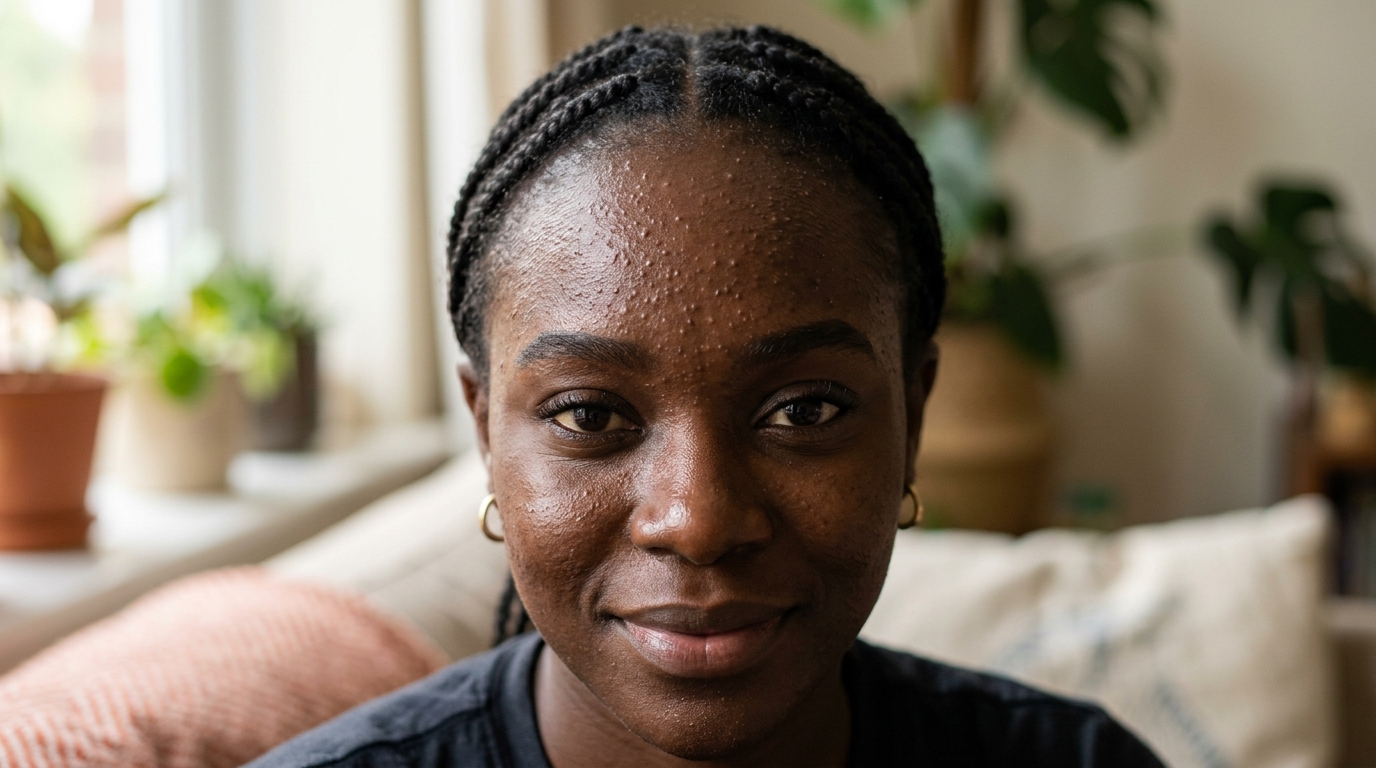
Unlike regular acne, the bumps rarely form whiteheads or blackheads and don’t respond to over-the-counter acne treatments.
You may have fungal acne if:
- You have tiny, raised, even-sized bumps across your forehead or hairline that itch (especially when you sweat)
- The bumps appear in clusters that look almost like a rash
- Your skin worsens after gym sessions, long hot days, or sleeping in makeup
- Your back, chest, or shoulders break out in small bumps you can’t squeeze
- Nothing in your acne arsenal is working, and some products even make it worse
- The bumps come on fast (sometimes overnight) and are roughly the same size and shape
What Causes Fungal Acne?
Fungal acne is triggered by anything that disturbs your skin’s microbiome and lets Malassezia yeast multiply, including sweat trapped against skin, humidity, heavy oil-based skincare, certain hair products, prolonged antibiotic use, tight clothing, and a weakened skin barrier.
The most common triggers we see at Beauty By Daz:
- Sweat that sits too long. That post-gym shower you skipped? That’s a Malassezia feast.
- Humid weather. Just living in Nigeria, is enough to have funga acne.
- Heavy oil-based skincare. Coconut oil, olive oil, shea butter, and many “natural” oils feed Malassezia.
- Antibiotics. They wipe out the good bacteria that keep yeast in check.
- Heavy occlusive moisturisers. Especially body creams loaded with butters and fatty acids.
- Tight, non-breathable clothing. Synthetic activewear or layering during harmattan.
- Hijabs, scarves, durags, and wigs. Anything that traps heat and moisture against your skin.
Fungal Acne Treatment: A Step-by-Step Treatment Plan
To get rid of fungal acne use a gentle salicylic acid cleanser, a soothing antibacterial toner, a niacinamide serum, a lightweight fungal acne-safe moisturiser, and sunscreen every morning.
Most people see visibly clearer skin in 2 to 6 weeks of consistent use.
The trick is two things at once: starve the yeast, and protect your barrier so your skin can heal. We’ll get into the routine soon…
Ingredients Malassezia Feeds On (Avoid These)
- Most fatty acids with chain lengths C11 to C24 (lauric, oleic, palmitic, stearic acids)
- Coconut oil, olive oil, shea butter, jojoba, almond oil
- Esters like isopropyl myristate and isopropyl palmitate
- Most fermented ingredients (galactomyces, certain “ferments”)
Ingredients That Help Kill Malassezia (Look for These)
- Salicylic acid (BHA)
- Niacinamide
- Zinc pyrithione
- Sulphur
- Ketoconazole (in antifungal shampoo, used short-term)
- MCT-oil-free, lightweight moisturisers
A Beginner-Friendly Fungal Acne Treatment Skincare Routine
Here’s the exact 5-step routine we recommend to Beauty By Daz clients dealing with fungal acne. (and if you want a simple skincare routine, our beginners skincare routine essentials guide is a great place to start).
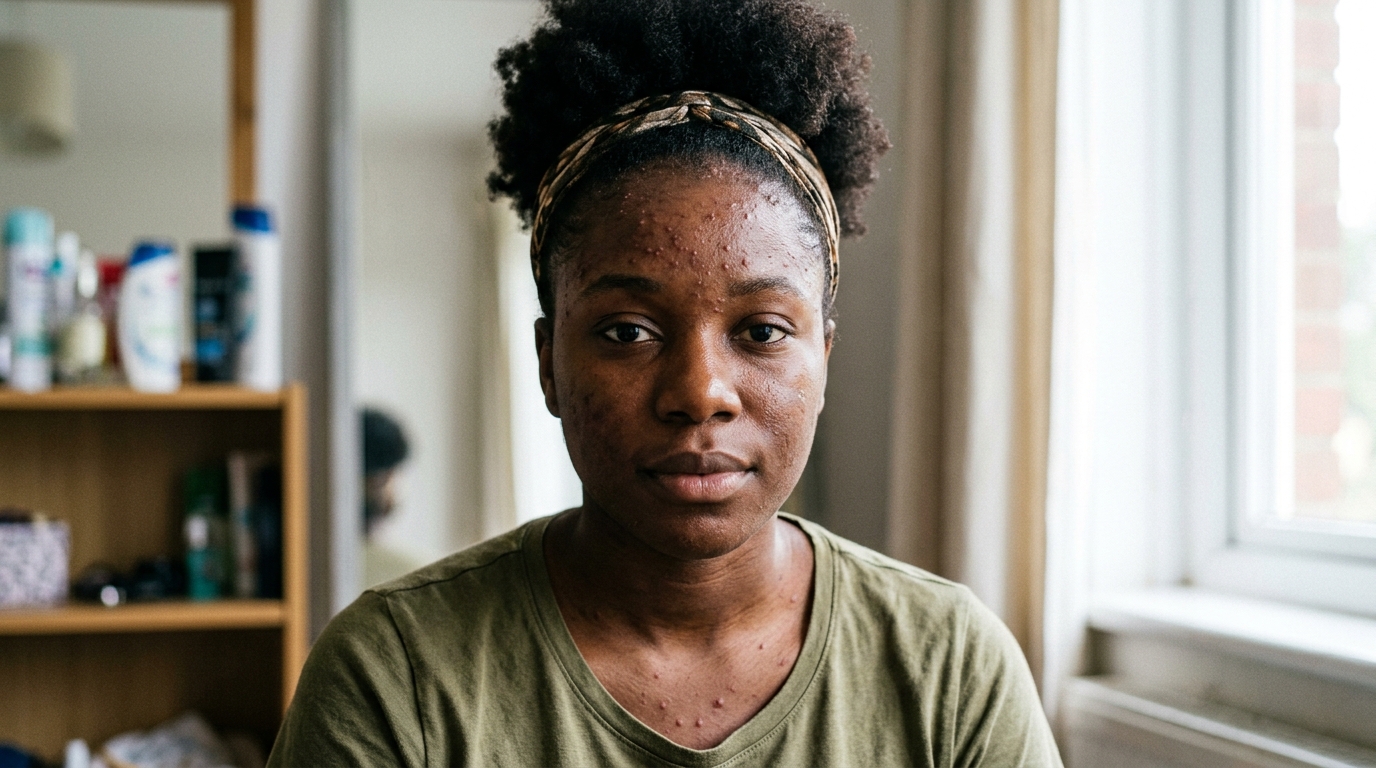
Step 1: Cleanse
Every morning and night, cleanse with a gentle, fungal acne-safe cleanser.
For dry or sensitive skin, try the CeraVe Hydrating Cleanser.
For oilier skin or active breakouts, the CeraVe Foaming Cleanser or Cosrx Low pH Good Morning Gel Cleanser is perfect.
Two to three times a week, swap your evening cleanser for the CeraVe SA Smoothing Cleanser or Cosrx Salicylic Acid Daily Gentle Cleanser to gently exfoliate trapped follicles.
Want a budget-friendly option? Read our honest Facefacts Ceramide Cleanser review.
If you wear makeup or sunscreen, double cleansing at night is non-negotiable. And you better be wearing sunscreen (side-eye)
Step 2: Apply Toner
The Anua Heartleaf 77% Soothing Toner is hands down one of the best fungal acne-friendly toners on the market. Heartleaf has natural antibacterial and anti-inflammatory properties that calm angry, itchy skin while your treatments do their work.
If your skin is super oily, the Good Molecules Niacinamide Brightening Toner works just as well.
Curious why Korean ingredients work so well for acne? Our Korean skincare in Nigeria guide explains everything.
P.S.: Use a toner every morning and night.
Step 3: Use Your Treatment
At night, apply the Nineless B Boost 10% Niacinamide Serum to control oil and minimise pores. For inflamed individual bumps, slap on a Cosrx Acne Patch overnight.
Not sure how to layer it all? Check our guide on how to apply serum on your face.
Step 4: Moisturise Your Skin
Skip the heavy creams for now and reach for the Anua Heartleaf 70% Daily Relief Lotion or Simple Hydrating Light Moisturizer. Once your bumps calm down, layer the Dr Althea 147 Barrier Cream at night to rebuild your skin barrier.
Step 5: Apply Sunscreen
Sunscreen is non-negotiable, especially because post-fungal acne dark spots love to overstay their welcome. The Anua Heartleaf Silky Moisture Sunscreen SPF50+ and Round Lab Birch Juice Moisturizing Sun Cream SPF50+ are both lightweight, no-cast options.
See more in our top sunscreens for Nigerian skin guide. And if you have oily skin, we’ve got some sunscreens specifically for oily skin.
For body fungal acne (chest, back, shoulders), use the Anua Heartleaf Quercetinol Deep Cleansing Foam as a body wash 3 times a week, leaving it on for 2 minutes before rinsing.
Beauty By Daz Tip: Build up slowly. Start with the basics (cleanser, moisturiser, sunsreen) for the first week, then add the treatment step.
Adding everything at once will overwhelm your skin and make things worse before they get better. It’s why ypu tend to break out more before getting results.
Fungal Acne Treatment: 9 Mistakes to Avoid
These are the slip-ups we see every week:
- Using benzoyl peroxide for months expecting results (it doesn’t kill yeast)
- Slathering on coconut oil “to help your skin heal”
- Skipping moisturiser because your skin is breaking out
- Re-wearing sweaty gym clothes more than once
- Using fragranced body creams that trap moisture against your skin
- Touching, picking, or squeezing the bumps (it spreads them)
- Sleeping in makeup
- Layering 7 products at once and hoping something works
- Stopping treatment the moment your skin clears (it WILL come back)
Where to Buy Skincare Products for Fungal Acne in Nigeria
You can shop skincare for fungal acne at Beauty By Daz, Nigeria’s most trusted skincare store, with original products from CeraVe, Cosrx, Anua, La Roche-Posay, Simple, Dr Althea, and more.
At Beauty By Daz, every product is sourced from verified suppliers so you can sleep easy knowing. you’re not putting harmful ingredients on your face.
Plus, if there’s anything specific you’d like to know, you can book a skin consultation with the team.
Counterfeit skincare is a real problem in Nigerian open markets, especially with antifungal shampoos and big-named cleansers.
So, if the deal seems too good to be true, it probably is.
If the seller is pushy or evasive, walk away. Always check the batch number, packaging seal, and ingredient list before buying. In fact, here are 7 ways to know if your skincare product is fake.
Browse the full acne and blemish treatment collection or visit Beauty By Daz to shop everything in one place.
Frequently Asked Questions on Fungal Acne Treatment
1. What Is the Best Treatment for Fungal Acne?
The best fungal acne treatment combines a fungal acne-safe skincare routine with ingredients that help control Malassezia yeast overgrowth, such as salicylic acid, niacinamide, sulphur, and zinc pyrithione. Most people see improvement by using a gentle cleanser, a lightweight moisturiser, targeted treatments, and sunscreen consistently for several weeks.
2. How Long Does Fungal Acne Take to Clear?
Most cases of fungal acne start improving within 2 to 6 weeks of consistent treatment. Mild cases may clear faster, while more stubborn or widespread flare-ups on the chest, back, and shoulders can take longer to fully resolve.
3. How Do I Know If My Acne Is Fungal?
Fungal acne usually appears as small, uniform, itchy bumps that occur in clusters, particularly on the forehead, hairline, chest, shoulders, and back. Unlike regular acne, it rarely forms blackheads or large pimples and often does not respond to traditional acne treatments.
4. Can Salicylic Acid Help Fungal Acne?
Yes. Salicylic acid is one of the most helpful ingredients for fungal acne because it exfoliates inside the pores and hair follicles, helping reduce the buildup of oil and dead skin cells that can contribute to flare-ups.
5. What Ingredients Should I Avoid If I Have Fungal Acne?
If you have fungal acne, it’s best to avoid heavy oils and ingredients that can feed Malassezia yeast, including coconut oil, olive oil, shea butter, certain fatty acids, and some esters such as isopropyl myristate and isopropyl palmitate.
6. Can Moisturiser Make Fungal Acne Worse?
The wrong moisturiser can worsen fungal acne, especially if it contains heavy oils or pore-clogging ingredients. However, lightweight fungal acne-safe moisturisers are essential because they help maintain a healthy skin barrier and support healing.
7. Is Fungal Acne Common in Nigeria?
Yes. Fungal acne is particularly common in Nigeria because hot weather, humidity, sweating, and occlusive skincare products create ideal conditions for Malassezia yeast to thrive. Many people mistake it for regular acne and spend months treating it incorrectly.
8. Can I Buy Fungal Acne Products From Beauty By Daz?
Yes. Beauty By Daz stocks a wide range of fungal acne-friendly cleansers, toners, serums, moisturisers, sunscreens, and acne treatments from trusted brands such as CeraVe, Cosrx, Anua, Round Lab, Simple, and Dr Althea. All products are sourced from verified suppliers and delivered nationwide.
9. Does Beauty By Daz Offer Help Choosing a Fungal Acne Routine?
Absolutely. If you’re unsure whether you’re dealing with fungal acne or regular acne, Beauty By Daz can help you build a personalised skincare routine based on your skin type, concerns, and budget, making it easier to choose products that actually work together.
Final Verdict: How to Stop Fungal Acne From Resurfacing
- Shower immediately after sweating (gym, jogging, long heat days)
- Wash gym clothes after every single wear (yes, even sports bras)
- Change pillowcases at least once a week
- Use a fungal acne-safe sunscreen every single day
- Apply hair oils at least an inch away from your hairline
- Once a week, use a salicylic acid cleanser on your body as a maintenance wash
- Keep your routine boring. Boring is what works.
Looking for more affordable Nigerian-friendly options? Read our roundup of the best Skin by Zaron products in Nigeria or our honest Seoul 1988 serum review.
You can also browse the full Beauty By Daz acne care blog for more guides like this.