

Hundreds of people keep searching: “how to exfoliate skin”…
You asked and we answered.
We’ve written this detailed blog on how to exfoliate skin at home so you don’t spend thousands of naira weekly just to get smooth, glowing skin.
You’re welcome :))
TLDR: How To Exfoliate Skin for a Smooth, Glowing Face
- If you have oily or acne-prone skin, exfoliate with a BHA like the COSRX BHA Blackhead Power Liquid two to three nights a week.
- If you have dry or sensitive skin, use a gentle AHA or PHA, once or twice a week.
- Always exfoliate at night, on clean, dry skin, then follow with moisturiser.
- Wear sunscreen every single morning. Non-negotiable.
- You can get every exfoliant in this guide from Beauty by Daz, Nigeria’s most trusted skincare store, sourcing directly from manufacturers, delivering nationwide, and guaranteeing 100% original, authentic products.
That’s the short version. Now let’s get into the details.
What Does It Mean to Exfoliate Your Skin?
Exfoliating means removing the layer of dead skin cells that builds up on the surface of your skin, using either a chemical exfoliant (acids) or a physical one (a scrub). When done regularly, it unclogs pores, smooths texture, and reveals brighter, fresher skin underneath.
It ,atters ‘cos your skin naturally sheds and renews itself roughly every 28 days. But that process slows down with age, sun exposure, pollution (hello, Nigeria), and weather. When dead cells don’t shed properly, they pile up on the surface, clogging your pores, making your skin dull and disrupting your entire skincare process.
Exfoliating simply helps your skin shed that buildup.
How to Exfoliate Skin: Chemical vs Physical Exfoliation
Physical exfoliation uses manual friction from a scrub to buff away dead cells, while chemical exfoliation uses gentle acids to dissolve them. For most skin types, chemical exfoliation is gentler and more effective.
Here’s the difference in detail.
Physical exfoliation uses friction. Think scrubs with grains like (brand), beads, or a textured cloth. Between you and us, it feels satisfying, but it only works on the surface, and if you’re heavy-handed, it can cause tiny tears in your skin.
Chemical exfoliation uses gentle acids that dissolve the “glue” holding dead cells together, so they slough off on their own. We highly recommend this.
When it comes to chemical exfoliation, the three you’ll see most often are:
- AHAs (glycolic and lactic acid): water-soluble, work on the surface, great for dullness, uneven tone, and dry, textured skin.
- BHAs (salicylic acid): oil-soluble, slip into your pores, great for oily, congested, acne-prone skin.
- PHAs: the gentlest of the three, ideal for sensitive skin and beginners.
For most people, chemical exfoliants are gentler and far more effective than scrubbing. If acids feel intimidating, start with our beginner-friendly breakdown on how to safely introduce (lactic) acid into your skincare routine.
How to Exfoliate Skin in 6 Simple Steps
To exfoliate skin correctly, cleanse your face first, apply your exfoliant to clean skin, let it absorb (or rinse a scrub off with lukewarm water), then follow with moisturiser and always wear sunscreen the next morning.
Here is the full six-step process:
- Cleanse first. Exfoliating over dirt and sunscreen is pointless. Double cleanse so your skin is genuinely clean. And be sure to do it at night.
- Dry your face if you’re using a leave-on chemical exfoliant (acids work best on dry skin). But for a physical scrub, leave your skin slightly damp.
- Apply your exfoliant. Use a cotton pad or clean fingertips for liquids and toners. For a scrub, use a small amount and massage in light, slow circles for 30 to 45 seconds. NEVER press hard.
- Give it time. Let a chemical exfoliant absorb for a few minutes before moving on. Rinse a scrub off with lukewarm water, never hot.
- Rehydrate. Follow with a hydrating toner, a soothing serum, and a barrier-supporting moisturiser to keep your skin calm and comfortable.
- Sunscreen the next morning. Always. Exfoliated skin is more vulnerable to the sun.
Beauty By Daz Tip: Exfoliate once a week and then slowly build up. Oily skin can handle two to three times weekly; dry or sensitive skin often does best at once or twice.
How to Exfoliate Skin: 4 Common Mistakes to Avoid
The four most common exfoliating mistakes are over-exfoliating, scrubbing too hard, mixing too many actives at once, and skipping sunscreen. Each one damages your skin barrier, so avoid them from day one.
Here’s why:
- Over-exfoliating. More is not better. Daily scrubbing or stacking multiple acids strips your barrier and leaves skin red, tight, and ironically MORE oily.
- Scrubbing too hard. Harsh grainy scrubs on active acne can spread bacteria and worsen breakouts. Be gentle, always.
- Mixing too many actives. Using an exfoliant on the same night as retinol or vitamin C is a recipe for irritation. Alternate them instead.
- Skipping sunscreen. Exfoliating without daily SPF undoes your progress and invites dark spots. If this is your weak spot, read our guide on why daily sunscreen is non-negotiable.
Who Should Exfoliate And Who Shouldn’t?
You should exfoliate regularly if you have oily, combination, or congestion-prone skin, and you should slow down or pause if your skin barrier is damaged or you’re using strong prescription actives.
Here’s a clearer breakdown:
Exfoliate regularly if you:
- Have rough, bumpy texture or visibly clogged pores.
- Deal with stubborn blackheads, whiteheads, or congestion.
- Have oily or combination skin.
- Notice your skin looking dull.
Slow down or pause exfoliating if you:
- Have damaged or compromised skin barrier. If your skin is peeling, stinging, or red.
- Are using prescription retinoids or other strong actives that already make your skin sensitive.
- Have extremely dry or reactive skin that feels tight after a single cleanse.
Best Products for How to Exfoliate Skin (By Skin Type)
The smartest way to figure out how to exfoliate skin for YOUR face is to match the formula to your skin type. Here’s a breakdown so it’s easy to skim.
Best Exfoliants for Oily & Acne-Prone Skin
Oily skin does best with oil-soluble BHAs that get inside the pore like the COSRX BHA Blackhead Power Liquid, COSRX AHA/BHA Clarifying Treatment Toner and the CeraVe SA Smoothing Cleanser.
A reliable second-cleanse partner for oily skin is the La Roche-Posay Effaclar Purifying Foaming Gel, which keeps pores clear between exfoliating days.
Best Exfoliants for Dry & Sensitive Skin
Dry and sensitive skin needs gentle, hydrating acids like The Ordinary Lactic Acid 10% + HA, COSRX AHA 7 Whitehead Power Liquid and the CeraVe Renewing SA Cleanser.
Best Exfoliants for Combination Skin
Combination skin needs balance: something that clears the oily T-zone without drying the rest. You can try the The Ordinary Glycolic Acid 7% Toning Solution or Some By Mi AHA BHA PHA 30 Days Miracle Toner.
What Should You Do After You Exfoliate?
Right after exfoliating, while your skin is still slightly damp, layer a hydrating serum like the Good Molecules Hyaluronic Acid Serum to lock in moisture. Then seal everything with a barrier-supporting moisturiser like the CeraVe Moisturising Cream.
And in the morning, sunscreen is non-negotiable. Freshly exfoliated skin is more sensitive to UV damage, so reach for a daily SPF like the Beauty of Joseon Relief Sun SPF50. If you have oily skin, you can check out our sunscreens for oily skin too.
Frequently Asked Questions on How to Exfoliate Skin
1. How Can I Exfoliate My Skin at Home?
You can exfoliate your skin at home by applying a chemical exfoliant (an AHA, BHA, or PHA toner or liquid) to clean, dry skin at night, letting it absorb, then following with moisturiser. Do this two to three times a week, skip harsh scrubbing, and always wear sunscreen the next morning.
2. What Is the Best Thing to Exfoliate Your Skin?
The best thing to exfoliate your skin is a chemical exfoliant matched to your skin type: a BHA like salicylic acid for oily, acne-prone skin; a gentle AHA like lactic acid for dry skin; and a PHA for sensitive skin. Chemical exfoliants are gentler and more effective than physical scrubs, especially for clearing congestion and stubborn blackheads.
3. How Do You Exfoliate Your Skin for Beginners?
If you’re a beginner, exfoliate your skin just once a week using a low-strength, gentle product such as a mild AHA or PHA toner. Always do a patch test first, watch your skin for 24 to 48 hours, and only increase the frequency slowly if there is no irritation.
4. Do You Exfoliate Wet or Dry?
It depends on the type of exfoliant. Apply leave-on chemical exfoliants (acid toners and liquids) to clean, dry skin so they are not diluted and can work properly. Use physical scrubs on damp skin instead, to reduce friction. Either way, rinse with lukewarm water, never hot.
5. Where Can I Buy Authentic Exfoliants in Nigeria?
You can buy authentic exfoliants for every skin type in Nigeria from Beauty by Daz. Every product is sourced directly from manufacturers and guaranteed 100% original, with quick order processing and nationwide delivery to all states.
6. Can Beauty by Daz Help Me Choose the Right Exfoliant?
Yes, Beauty by Daz offers skincare consultations to match you with the right exfoliant for your skin type and concerns. If you are unsure whether to pick an AHA, BHA, or PHA — or how to fit one into your existing routine — you can book a consultation for personalised, expert guidance.
Final Verdict: Is Exfoliating Worth It?
Yes, exfoliating is absolutely worth it, BUT only if you do it correctly. Now that you know how to exfoliate skin the right way, the formula is simple: choose the right product for your skin type, exfoliate at night, never overdo it, and protect your skin with sunscreen every morning.
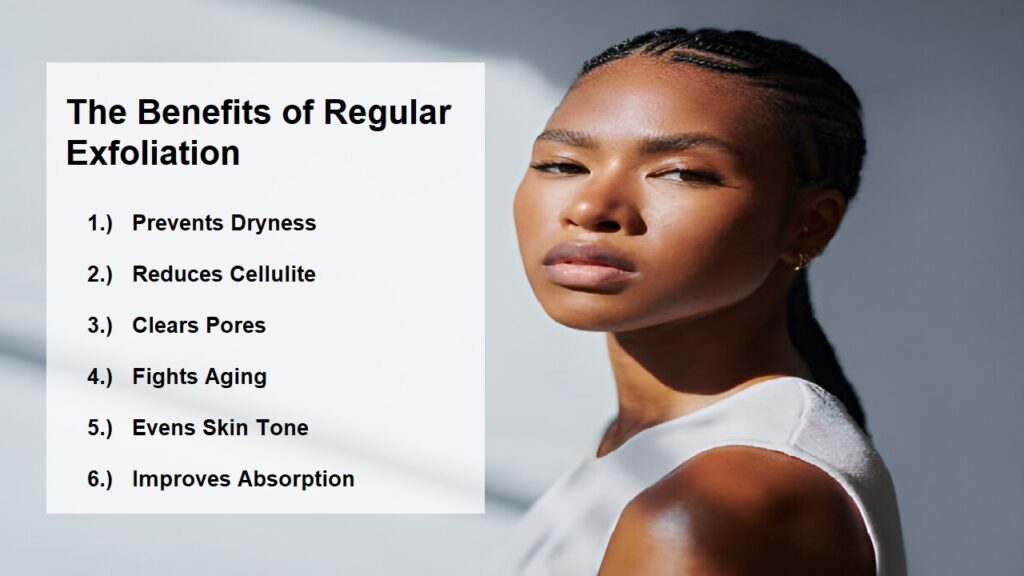
Do that consistently, and you’ll see smoother texture, fewer clogged pores, and a brighter, healthier glow within a few weeks.
See you in the next post ^_^