

At Beauty By Daz, we’ve sold over 1000 sunscreens, yet the debate continues:
Is mineral sunscreen safer? Is chemical sunscreen lighter? And if you have dark skin, should you avoid sunscreens that leave a white cast?
We believe choosing your SPF shouldn’t be confusing. That’s why we’re here to help you understand what sets mineral vs chemical sunscreens apart and how to choose the right one for your skin.
Readddyyy?
TL;DR: Mineral vs Chemical Sunscreen at a Glance
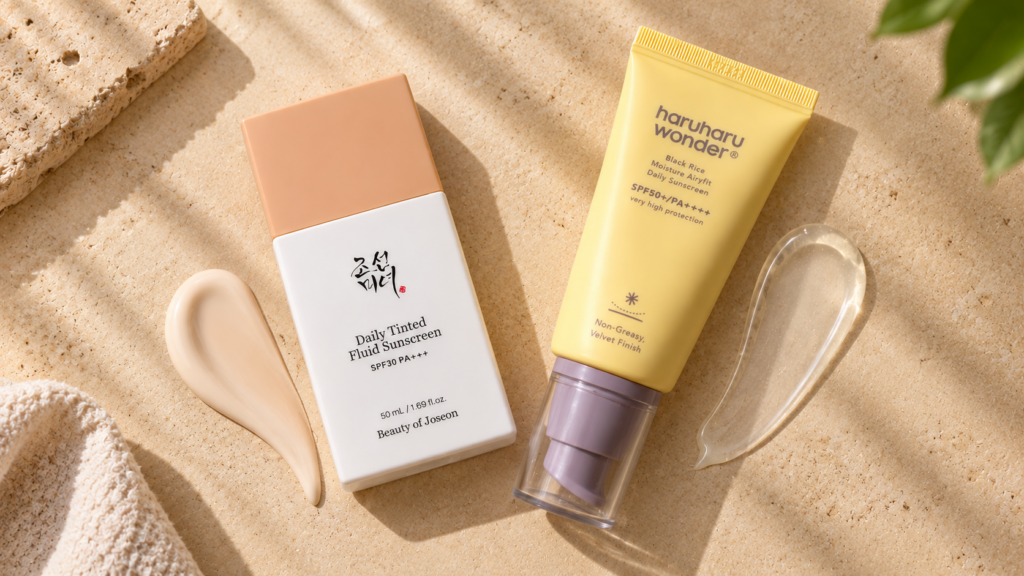
- Mineral sunscreen uses zinc oxide and/or titanium dioxide as its UV filters. An example is Beauty of Joseon Daily Tinted Fluid.
- Chemical sunscreen uses organic UV filters such as Tinosorb S and Uvinul A Plus. Haruharu Black Rice Airyfit is one example.
- Hybrid sunscreen combines mineral and organic UV filters. Mesoestetic Melan 130 Pigment Control is an example.
- Neither type is automatically better or safer. Look for broad-spectrum protection and SPF 30 or higher, and apply and reapply as directed.
- White cast depends on the formula. Untinted mineral sunscreens are more likely to leave a cast, while chemical and tinted mineral formulas often blend in more easily.
- Texture matters. Chemical sunscreens are often lighter and easier to layer under makeup, while mineral formulas can be thicker.
- Sensitive skin can tolerate either type. Mineral sunscreen may suit people who react to certain UV filters, but the overall formula matters too.
- Choose for your skin and lifestyle. In Nigeria’s heat and humidity, look for a comfortable formula that’s easy to reapply throughout the day.
Mineral vs Chemical Sunscreen: A Quick Comparison
| Feature | Mineral Sunscreen | Chemical Sunscreen |
| UV filters | Zinc oxide and/or titanium dioxide | Organic UV filters |
| How it works | Mainly absorbs UV rays; also scatters and reflects some | Absorbs UV rays and releases energy mainly as heat |
| Texture | Often creamier or thicker | Often lighter, with gels and fluids available |
| White cast | More likely, especially when untinted | Usually minimal or none |
| Sensitive skin | May suit people who react to certain UV filters | Can suit sensitive skin, though some formulas may cause irritation |
| Under makeup | May need more blending | Often easier to blend and layer |
What Is Mineral Sunscreen?
Mineral sunscreen is sunscreen that uses zinc oxide, titanium dioxide, or both as its UV filters to protect your skin from the sun. These ingredients primarily absorb UV rays while also scattering and reflecting some of them.
You’ll also see it called physical sunscreen, a name based on the traditional idea that it works like a mirror to bounce sunlight away from your skin. However, that’s not quite how it works.
So how does Mineral Sunscreen Work?
When UV rays reach your skin, zinc oxide and titanium dioxide absorb much of that energy, helping protect your skin from UV damage. These mineral particles can also scatter visible light, which contributes to the white cast some formulas leave behind, particularly on deeper skin tones.
What are the Benefits of Mineral Sunscreen
- It protects as soon as it’s evenly applied: There’s no special “activation” time to worry about.
- It’s generally well tolerated by sensitive skin: Zinc oxide is usually gentle on the skin, making mineral sunscreen worth considering if you’ve experienced irritation with certain sunscreen filters.
- It can be easier on the eye area: Some people find mineral formulas sting less around the eyes, though this varies from person to person.
- Zinc oxide gives broad coverage: It protects against both UVA and UVB rays, helping guard against sunburn, premature skin ageing, and UV-related skin damage.
Potential Drawbacks of Mineral Sunscreen
- White cast: Untinted mineral sunscreens can leave a noticeable white or greyish cast, especially on medium to deep skin tones.
- Heavier texture: Mineral sunscreen can feel thick or look chalky if you don’t blend well.
- It may pill under makeup: Depending on the formula and the skincare products underneath, mineral sunscreen can roll or form little flakes on the skin.
- It can wear off with sweat or friction: Like any sunscreen, mineral formulas need to be reapplied as directed, especially after sweating, swimming, or wiping your face.
- It’s harder to find: Mineral options are still less common on Nigerian shelves than chemical ones.
What Is Chemical Sunscreen?
Chemical sunscreen uses organic UV filters, such as avobenzone, to absorb UV rays and help protect your skin from sun damage. Unlike mineral sunscreen, which uses zinc oxide or titanium dioxide, chemical sunscreens often combine several UV filters to provide broad-spectrum protection.
The term chemical sunscreen is commonly used, but organic UV filters are more precise. Here, organic refers to chemistry, not organic farming, and doesn’t automatically mean a product is harmful.
How Chemical Sunscreen Works
Chemical UV filters absorb UV energy and release it primarily as a small amount of heat. Different filters protect against different wavelengths, so formulators often combine several to protect against both UVA and UVB rays.
What Are the Benefits of Chemical Sunscreen?
- Lightweight textures: Many chemical sunscreens come in fluid, gel, and essence formulas that feel comfortable on the skin.
- Little to no white cast.: Many formulas blend seamlessly into the skin, making them appealing to people with deeper skin tones.
- Easy to layer: Lightweight formulas can sit comfortably under makeup and alongside other skincare products.
- More textures to choose from: Depending on the formula, you can find gels, creams, sticks, and sprays to suit different preferences and routines.
What Are the Disadvantages of Chemical Sunscreen?
- Eye stinging: Some formulas can irritate the eyes, particularly if sunscreen runs into them with sweat. Our Nivea sunscreen review discusses this concern.
- Irritation for some skin types: Certain UV filters, fragrances, or other ingredients may irritate sensitive skin or trigger reactions in some people.
- Formulation matters: Some UV filters, such as avobenzone, require appropriate stabilisation to maintain their effectiveness. Reputable formulations account for this, so it’s best to choose products from trustworthy sources.
Mineral vs Chemical Sunscreen: How Do They Compare?
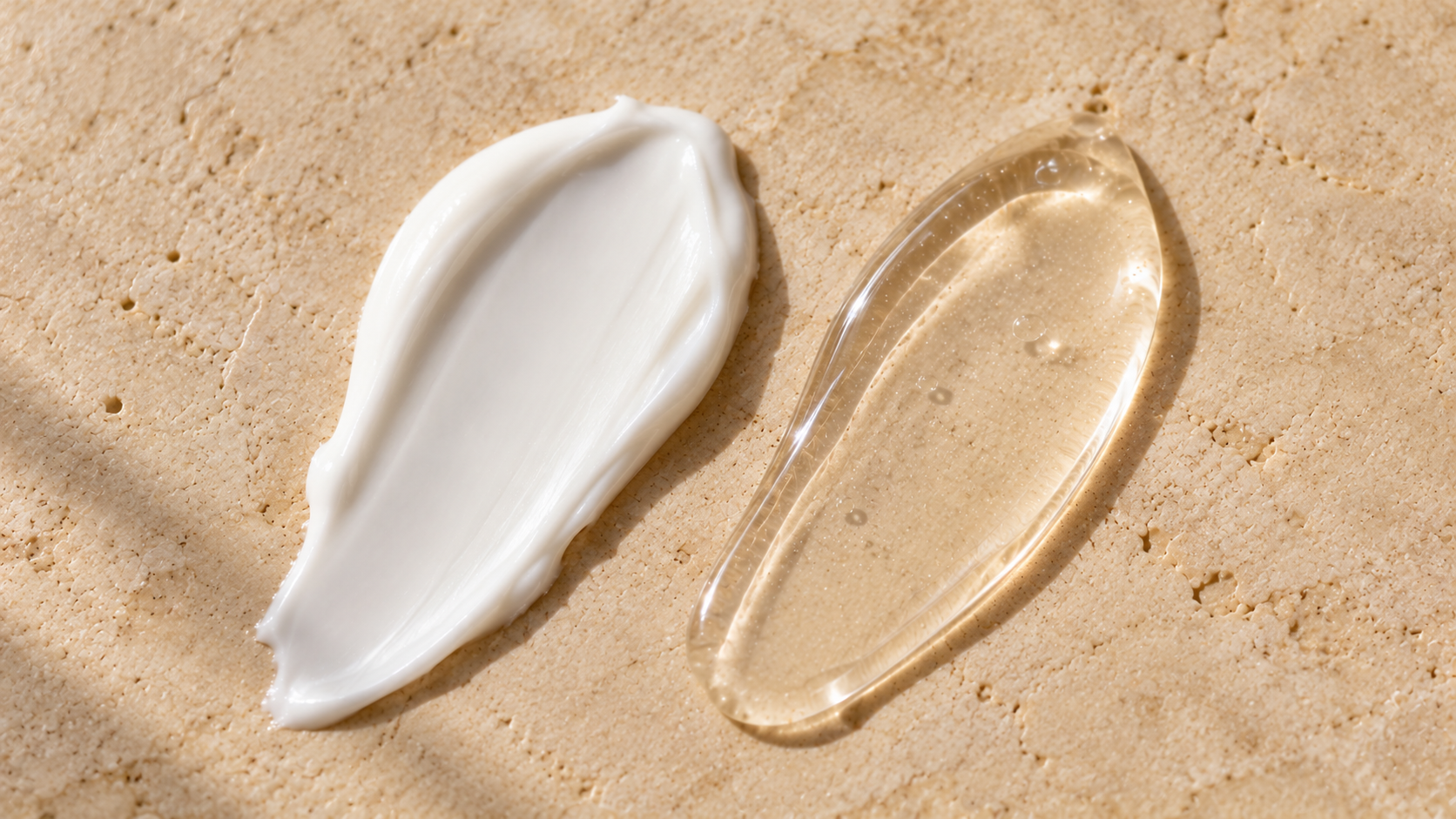
Mineral and chemical sunscreens can both provide effective sun protection, but they differ in texture, finish, white cast, and how they feel on your skin.
1. Protection, SPF and UVA Coverage
Both mineral and chemical sunscreens protect against UV rays. The key is choosing one with adequate SPF and broad-spectrum protection.
SPF measures protection against UVB rays, which cause sunburn. For UVA protection, which helps prevent premature ageing and dark spots, look for a broad-spectrum label or a PA rating. PA++++ is the highest PA rating.
The bottom line: A mineral sunscreen and a chemical sunscreen with the same SPF and comparable UVA protection can protect your skin equally well when applied correctly.
2. Texture, Finish and Makeup
Chemical sunscreens are often lighter and easier to blend, while mineral sunscreens can be thicker and require more blending. Tinted mineral formulas can help reduce white cast.
If you wear makeup daily, let either type set for a few minutes before foundation. Our guide on how to layer skincare products covers the order.
3. White Cast on Darker Skin Tones
This is where many Nigerians make their choice, and that’s completely valid. Untinted mineral sunscreens are more likely to leave a white cast, especially on deeper skin tones. Chemical sunscreens and tinted mineral formulas are often less noticeable.
If you’ve been told to “just avoid white cast,” that means choosing a formula that disappears on your skin so you’ll wear it every day. That could be a chemical sunscreen like Haruharu, a cast-free option like the Anua Zero Cast Moisturizing Finish, or a tinted mineral one like Beauty of Joseon Daily Tinted Fluid.
4. Heat, Sweat and Humidity in Nigeria
In Nigeria’s hot, humid weather, choose a sunscreen that feels comfortable on your skin and can withstand your daily activities.
- Sweat and water resistance: Both mineral and chemical sunscreens can wear off through sweating and wiping. Water-resistant formulas offer protection for a tested period, but none lasts all day.
- Reapplication: Reapply every two hours when outdoors, and after heavy sweating or wiping your face.
- Texture: Lightweight gels and fluids may feel more comfortable in hot weather, especially if you have oily skin.
- Easy top-ups: Sunscreen sticks can make reapplication over makeup more convenient. See our Abib Airy Sunstick and our Bondi Sands sunscreen review for examples of different formats.
For a head-to-head between two chemical sunscreens, see our Nivea vs Skin Aqua sunscreen comparison.
Is Mineral Sunscreen Better Than Chemical Sunscreen?
Mineral sunscreen is not automatically better than chemical sunscreen, because both protect well when the formula is broad-spectrum, at least SPF 30 and applied generously, so the better choice is the one that suits your skin, holds up in Nigerian heat and feels comfortable enough for you to wear every single day.
A sunscreen you love and use daily beats a “perfect” sunscreen that stays in your bag because it makes you look grey.
Mineral or Chemical Sunscreen: Which Is Better for Your Skin Type?
The best sunscreen for you depends on your skin type, sensitivity, and personal preferences.
When helping customers choose between mineral and chemical sunscreen at Beauty By Daz, we encourage them to look beyond the label and consider how a formula fits into their skincare routine.
So, how do you decide which one is right for your skin? Here’s what to consider before making your choice.
1. Sensitive Skin
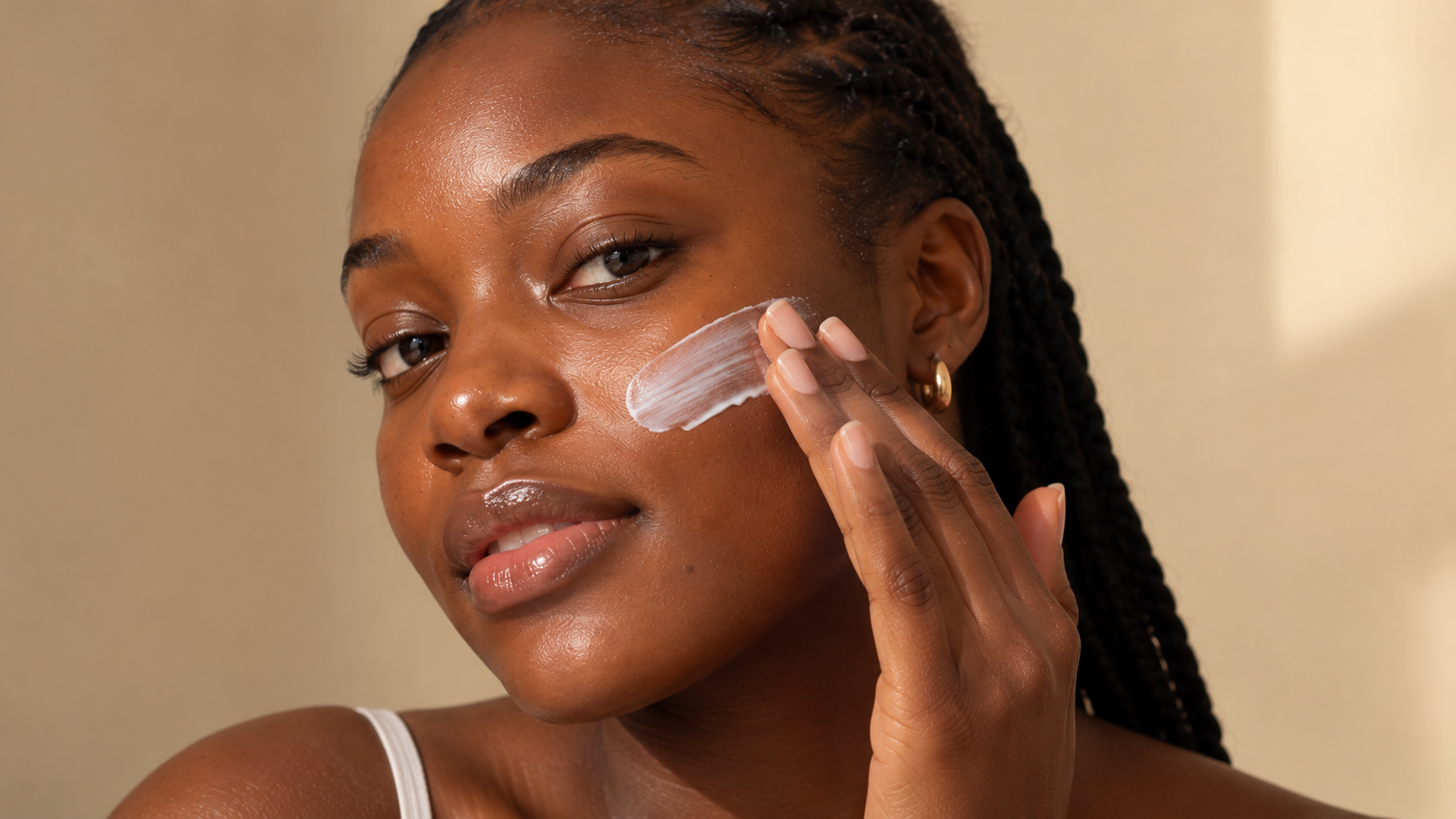 Mineral sunscreen can be a good option if certain chemical filters have irritated you before, because zinc oxide is generally well tolerated. Plenty of people with sensitive skin do perfectly well on organic filters, though.
The real trigger is often fragrance, alcohol or a damaged skin barrier. Patch test new sunscreens, build a gentle sensitive skin routine, and consider fragrance-free options like the La Roche-Posay Anthelios Invisible Fluid.
2. Oily and Acne-Prone Skin
Light, tinted mineral fluids can work for oily skin, but thick mineral creams may feel greasy or slide in humidity. That’s why many oily-skinned people prefer chemical gels like the Skin Aqua UV Moisture Gel.
Browse our sunscreens for oily skin or our 8 best sunscreens for oily skin, and pair your SPF with a lightweight moisturizer for acne-prone skin.
3. Dry Skin
For dry skin, texture matters more than filter type. Choose creamier formulas of either kind, or a hydrating gel like the Isntree Hyaluronic Acid Watery Sun Gel over a good moisturiser.
4. Darker Skin Tones and Hyperpigmentation
As we mentioned earlier, neither chemical or mineral sunscreen is automatically better for dark skin. What matters is a formula that disappears on you, so you’ll wear it every day.
That’s often a cast-free chemical sunscreen like the Bolden Sunscreen Serum or Black Girl Sunscreen SPF 30. If you prefer zinc, a tinted mineral formula adds some visible-light protection, which is helpful against dark spots.
If pigmentation is your main concern, the Eucerin Pigment Control Sun Fluid is worth a look. Lighter skin tones have more room for untinted mineral options, and our sunscreen for fair skin guide covers those.
Still unsure where your skin leans? Book a skin consultation and we’ll help you decide.
How to Choose Between Mineral and Chemical Sunscreen
- Check the ingredients list: Products containing only zinc oxide and/or titanium dioxide as UV filters are mineral; those using only organic UV filters are chemical; and those combining both types are hybrid.
- Check the protection: Choose SPF 30 or higher with broad-spectrum protection or a PA rating for UVA coverage.
- Consider your skin and lifestyle: Choose a formula that suits your skin type, sits comfortably on your skin, and is easy to reapply in Nigeria’s hot weather
Once you know which filters and textures suit your skin, compare the mineral, chemical and hybrid options available at Beauty By Daz below.
Best Mineral, Chemical and Hybrid Sunscreens in Nigeria
Here are the best mineral, chemical, and hybrid sunscreens available at Beauty By Daz to help you find one that works for your skin and daily routine.
| Sunscreen | Type | UV Filters | Best For | Price |
| Beauty of Joseon Daily Tinted Fluid | Mineral | Zinc oxide only | People who want zinc-based protection with a tint that softens white cast | ₦14,950 |
| Haruharu Black Rice Airyfit | Chemical (organic filters) | Tinosorb S, Uvinul A Plus, Ethylhexyl Triazone, Mexoryl SX, Polysilicone-15 | A lightweight, cast-free daily sunscreen under makeup | ₦12,500 |
| Mesoestetic Melan 130 Pigment Control | Hybrid | Titanium dioxide + organic filters | People focused on pigmentation who want mineral and organic filters together | ₦61,500 |
Want to see more? Read our 10 best sunscreens in Nigeria for picks across every skin type. Every product we sell is authentic and sourced from verified suppliers.
Common Sunscreen Myths: Mineral vs. Chemical Sunscreen
- “Dark skin doesn’t need sunscreen.” Melanin offers some natural protection, but darker skin can still suffer UV damage, sunburn and worsening hyperpigmentation, which are among the most common concerns we see at Beauty By Daz. If you’ve wondered whether sunscreen stops you from getting darker, we answered it fully in this guide.
- “You need sunblock, not sunscreen.” “Sunblock” is an outdated term because no sunscreen blocks all UV rays; today, sunscreen is the preferred term for both mineral and chemical formulas.
- “Mineral is always safer and chemical is harmful.” Both types can provide effective sun protection when properly formulated and used as directed, and neither is automatically safer for everyone.
- “Chemical sunscreen always needs 15–30 minutes before it works.” Follow the product’s directions, but allow sunscreen to form an even layer before sun exposure rather than assuming every formula has the same waiting time.
- “High SPF means no reapplying.” SPF 50 applied once at 7am won’t carry you through a full day outdoors. Reapplying matters more than chasing a higher number.
Frequently Asked Questions About Mineral vs Chemical Sunscreen
1. Is Mineral Sunscreen Better Than Chemical Sunscreen?
No, not automatically. Both protect well when they’re broad-spectrum, SPF 30 or higher, and applied generously. The better one is the one that suits your skin and that you’ll wear every day.
2. How Do I Know if My Sunscreen Is Mineral or Chemical?
Check the UV filters in the ingredient list. Zinc oxide and/or titanium dioxide as the only UV filters means mineral. Those minerals alongside organic filters mean hybrid. Only organic filters mean chemical.
3. Is Mineral Sunscreen Good for Oily Skin?
It can be. Zinc oxide rarely causes breakouts, and lighter tinted fluids work for many oily-skinned people. Thick mineral creams can be heavy in humidity, though, so many people with oily skin prefer lightweight chemical gels.
4. Where Can I Buy Original Sunscreen in Nigeria?
You can buy original sunscreen in Nigeria from trusted skincare retailers like Beauty By Daz, where you can explore different sunscreen options to suit your skin type and preferences. Always purchase from reputable sellers to reduce the risk of counterfeit products.
5. Does Mineral Sunscreen Leave a White Cast?
Untinted mineral sunscreen often does, especially on medium to deep skin. Tinted mineral formulas, micronised zinc and blending in thin layers all reduce the cast a lot.
6. What Is the Best Mineral Sunscreen in Nigeria?
It depends on your skin and budget. At Beauty By Daz, our mineral pick is the Beauty of Joseon Daily Tinted Fluid, a zinc oxide–only formula with a tint to help with white cast.
7. Do Darker Skin Tones Need Sunscreen?
Yes. Melanin offers some natural protection, but not enough to prevent UV damage. Daily sunscreen helps stop dark spots, uneven tone and post-acne marks from getting worse.
Our Final Take: Mineral vs Chemical Sunscreen: Which Should You Use?
The truth is, neither mineral nor chemical sunscreen is automatically better. Choose a broad-spectrum formula that suits your skin, feels comfortable to wear and is easy to reapply daily.
And if you need help choosing, explore our sunscreen collection or book a skin consultation at Beauty By Daz for a personalised recommendation.
See ya!