
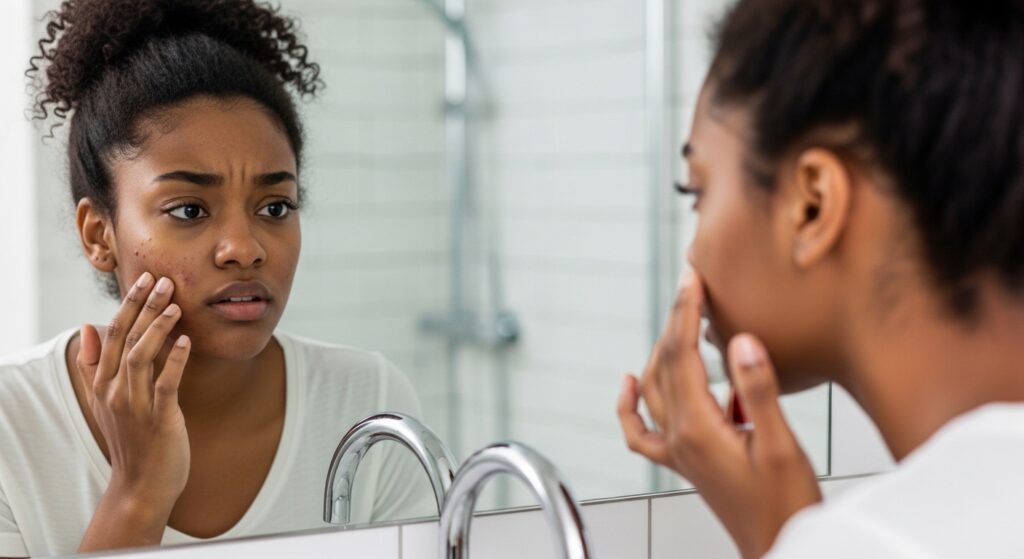
Girl, if your breakouts keep coming back in the same places, worsen around your cycle, or don’t respond to typical acne treatments, you may have hormonal acne.
You see, acne is one of the most common skin conditions in the world, but there are different types of it.
Treating the wrong type of acne with the wrong approach is one of the main reasons people spend months going through many skincare products with little to no improvement.
Understanding what kind of acne you have is the first and most important step toward treating it. So here’s your comprehensive guide to identifying hormonal acne and fixing it.
You’re welcome :))
TLDR: Everything You Need to Know About Hormonal Acne in 2026
- Use a gentle cleanser like the Facefacts Ceramide Hydrating Gentle Cleanser or La Roche-Posay Effaclar Purifying Foaming Gel to wash away oil, dirt, and buildup without stripping your skin or damaging your barrier.
- Use a niacinamide serum like The Ordinary Niacinamide 10% + Zinc 1% or the Good Molecules Niacinamide Serum to help reduce excess oil, calm inflammation, support your skin barrier, and improve the look of post-acne marks.
- Use a treatment like Ezanic Azelaic Acid Gel if you want something that helps with both active breakouts and the dark spots hormonal acne often leaves behind.
- If your main issue is the marks left after acne, try the Topicals Brightening Dark Spot Patches to help target post-acne hyperpigmentation.
- Use a retinoid like A-Ret Tretinoin 0.05% Gel or CeraVe Resurfacing Retinol Serum to support cell turnover, prevent clogged pores, improve texture, and treat stubborn hormonal breakouts over time.
- Use a lightweight moisturiser like the Facefacts Ceramide Moisturising Gel Cream or Simple Hydrating Light Moisturizer to keep your skin hydrated without making your acne worse.
- Use a sunscreen like Skin Aqua UV Moisture Gel SPF 50 or Niu Skin Watery Essence Total Effect Sunscreen every morning to protect your skin and stop acne marks from getting even darker.
- Do not pile on too many strong actives at once. Hormonal acne-prone skin does better with a simple, consistent routine than with five harsh treatments used all together.
- You can get all these skincare products for hormonal acne at Beauty By Daz with fast delivery across Nigeria. And if you are not sure what your skin actually needs, you can also speak to a dermatologist at Beauty By Daz for proper guidance.
What Is Hormonal Acne?
Hormonal acne is acne that is triggered or significantly worsened by fluctuations in hormone levels, particularly androgens like testosterone and dihydrotestosterone (DHT), as well as estrogen and progesterone.
These hormonal shifts stimulate the sebaceous glands to produce excess sebum (oil), which can clog pores, feed acne-causing bacteria, and trigger inflammation deep within the skin.
All this “big grammar” is saying that hormonal acne happens when your hormones go up and down, and makes your skin produce too much oil. That extra oil can clog your pores, attract acne-causing bacteria, and lead to deeper and more stubborn breakouts.
Now, hormonal acne is quite common among teenagers going through puberty, but adults (particularly women between the ages of 20 and 50) can also experience it. In fact, if you get acne the first time after your mid-twenties, it is almost always hormonal acne.
5 Ways to Identify Hormonal Acne
The easiest ways to identify hormonal acne is where it shows up (jaw, chin, neck and lower cheeks), the time it shows up (around your monthly flow), how painful it is and whether or not it responds to regular acne treatment.
Let’s talk about it…
1. Location, Location, Location
Hormonal acne usually shows up in a very specific area — the lower part of your face. That includes your jawline, chin, lower cheeks, and sometimes even your neck.
This happens because the oil glands in that area tend to react more strongly to hormones. So if your breakouts keep showing up there instead of your forehead, nose, or upper cheeks, there’s a very good chance it’s hormonal acne.
2. Cyclical Timing
When you get your period, you might notice your breakouts show up around the same time every month. For a lot of ladies, acne gets worse the week before your period and starts to calm down once your period is over.
Some people also break out around ovulation, which is usually in the middle of their cycle. If your acne shows up so predictably that you can almost track it on a calendar, it’s most likely hormonal acne.
3. Deep Cystic Lesions
Hormonal acne usually shows up as deep, painful breakouts rather than small surface-level pimples like whiteheads or blackheads. These are the kinds of spots that:
- sit under the skin without coming to a visible head
- feel sore or tender, even when you barely touch them
- take a long time to go away (sometimes one to two weeks or more)
- often leave behind dark marks or even scars after they heal
This is because hormonal acne tends to start deeper in the skin, not just on the surface. So instead of a quick little pimple, you are more likely to get those big, stubborn, under-the-skin breakouts that are harder to treat with basic acne products alone.
4. It Doesn’t Respond Well to Standard Acne Treatments
If you have been consistently using skincare products like salicylic acid cleansers, benzoyl peroxide spot treatments like the OXY Benzoyl Peroxide Lotion 10 Maximum Strength, or exfoliating toners for months and your acne is still not really improving, it could be hormonal acne.
Those products help with surface-level acne, clogged pores, and acne-causing bacteria, but hormonal acne starts deeper, so they may help a little without addressing the real cause.
5. Your Acne Started or Stuck Around in Adulthood
If your acne went away in your early twenties and then suddenly came back, or you never really had acne as a teenager but started breaking out as an adult, hormones could be a big reason why.
It can also show up or get worse during major life changes that affect your hormones, like starting or stopping birth control, pregnancy, postpartum changes, or menopause.
Hormonal Acne vs. Other Types of Acne: What’s the Difference?
The main difference between hormonal acne and other types of acne like comedonal, bacterial, fungal, or contact acne usually comes down to how it looks, where it shows up, how painful it is, when it happens, what triggers it, and how it responds to regular acne treatments.
Here’s a table to make everything easier for you:
Feature |
Hormonal Acne |
Comedonal Acne |
Bacterial Acne |
Fungal Acne (Folliculitis) |
Contact / Allergic Acne |
|
Cause |
Hormonal fluctuations |
Clogged pores (oil + dead skin) |
Bacterial overgrowth |
Yeast (Malassezia) overgrowth |
Reaction to products, friction, irritants |
|
Appearance |
Deep cysts, nodules |
Blackheads, small whiteheads |
Red pustules and papules |
Small, uniform, itchy bumps (1–2mm) |
Rash-like bumps, redness, irritation |
|
Location |
Jaw, chin, lower cheeks |
T-zone (forehead, nose, chin) |
Anywhere on face |
Forehead, chest, back, shoulders |
Areas of contact (hairline, cheeks, chin) |
|
Pain / Sensation |
Often painful |
Usually painless |
Tender, inflamed |
Often itchy |
Itchy, irritated |
|
Pattern |
Cyclical |
Consistent |
Trigger-based (e.g. sweat, hygiene) |
Worsens with heat, humidity, sweating |
Appears after exposure to trigger |
|
Key Triggers |
Hormone changes |
Oil buildup, poor exfoliation |
Touching face, sweat, dirty surfaces |
Heat, humidity, occlusive products |
New products, fabrics, friction |
|
Treatment |
Hormonal therapy, retinoids |
BHAs, retinoids, cleansing |
Benzoyl peroxide, antibiotics |
Antifungal treatments |
Remove trigger, soothe skin |
|
Response to standard acne treatments |
Limited (unless mixed type) |
Very responsive (e.g. salicylic acid) |
Responds well to antibacterial treatments |
Often worsens with typical acne treatments |
Improves once trigger is removed |
How to Treat Hormonal Acne: Dermatologist-Approved Methods
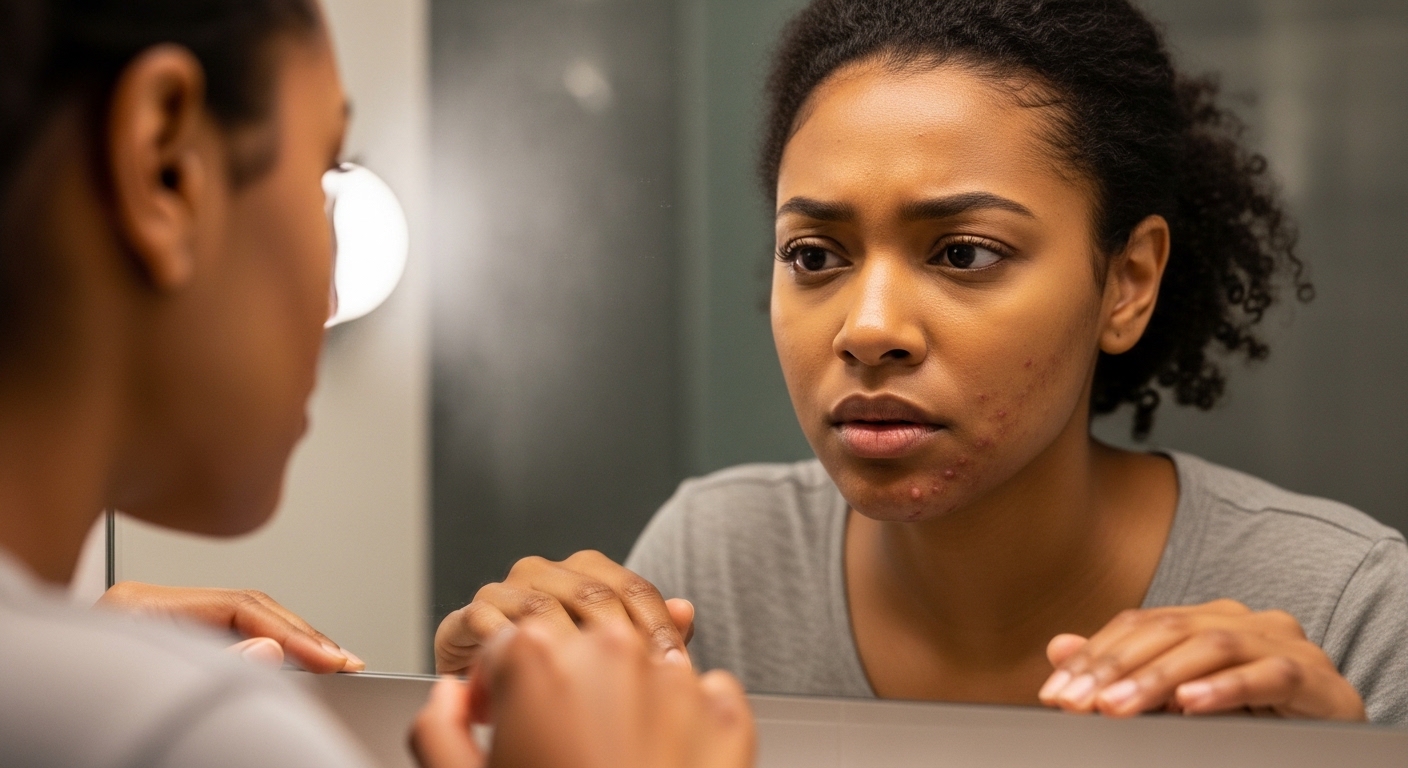
The best way to treat hormonal acne is to reduce the hormonal triggers causing excess oil production, keep your pores clear, calm inflammation, and protect your skin barrier.
Let’s break it down:
1. Support Your Hormones Internally
Hormonal acne is largely driven by shifts in androgens, estrogen, progesterone, and insulin, so keeping your hormones balanced is a big part of preventing breakouts.
P.S.: If you have underlying issues like Polycystic Ovary Syndrome (PCOS), thyroid problems, or insulin resistance, seek medical guidance.
Beyond that:
- Keep your blood sugar steady by reducing excess sugar and ultra-processed foods
- Eat balanced meals with plenty of protein, fibre, and healthy fats
- Manage stress to prevent cortisol spikes that can trigger oil production
- Prioritise consistent, quality sleep to help your body regulate hormones naturally.
2. Use the Right Skincare Products
Focus on products that include ingredients like retinoids (support cell turnover and keep pores from getting clogged), niacinamide (to reduce excess oil and soothe inflammation) and azelaic acid (to treat active breakouts and fade dark marks).
Products like benzoyl peroxide and salicylic acid can help as part of your routine, but on their own they rarely solve hormonal acne, so think of them as supportive tools rather than the main solution.
P.S.: In the next section, we’ll go over some of the best acne skincare products to manage hormonal acne.
3. Consider Hormonal Treatments
If your acne is persistent, cystic, or clearly linked to your cycle, using only topical products may not be enough because the root cause is happening inside your body.
In these cases, a dermatologist might recommend options like spironolactone, which reduces androgen activity, combined oral contraceptives to help regulate hormonal fluctuations, or prescription-strength retinoids.
These treatments work by tackling the hormonal triggers behind your breakouts, not just the surface symptoms, making them far more effective for stubborn or recurring hormonal acne.
4. Be Consistent and Patient
The truth is that hormonal acne doesn’t clear overnight. Because it’s tied to your internal cycles, improvement usually takes 8–12 weeks of consistent effort.
What matters most is sticking to a simple routine, avoiding switching from one product to another and tracking patterns (cycle, stress, diet).
5. Don’t Over-Exfoliate
Over-exfoliating is one of the biggest mistakes people make with hormonal acne. If your skin feels tight, irritated, or inflamed, you’re likely making things worse.
Focus on hydration (lightweight, non-comedogenic moisturisers), barrier-repair ingredients (ceramides, glycerin) and reducing harsh actives when your skin is irritated.
Best Skincare Products for Hormonal Acne – Beauty By Daz Approved
The best skincare products for hormonal acne are the Facefacts Ceramide Hydrating Gentle Cleanser, The Ordinary Niacinamide 10% + Zinc 1%, Ezanic Azelaic Acid Gel, A-Ret Tretinoin 0.05% Gel, Facefacts Ceramide Moisturising Gel Cream, and the Skin Aqua UV Moisture Gel SPF 50.
Here’s why we chose them:
1. Facefacts Ceramide Hydrating Gentle Cleanser (400ml)
The best cleanser for hormonal acne is the Facefacts Ceramide Hydrating Gentle Cleanser. Skin with hormonal acne is already inflamed and the last thing it needs is a harsh, stripping cleanser making things worse.
This Facefacts cleanser is fragrance-free, packed with 5 ceramides, hyaluronic acid, and glycerin so it cleans your skin without wrecking your barrier. Plus, it’s gentle enough to use morning and night.
As an alternative, you can try the La Roche-Posay Effaclar Purifying Foaming Gel. It’s dermatologist-tested, non-comedogenic, and specifically formulated for oily, acne-prone skin.
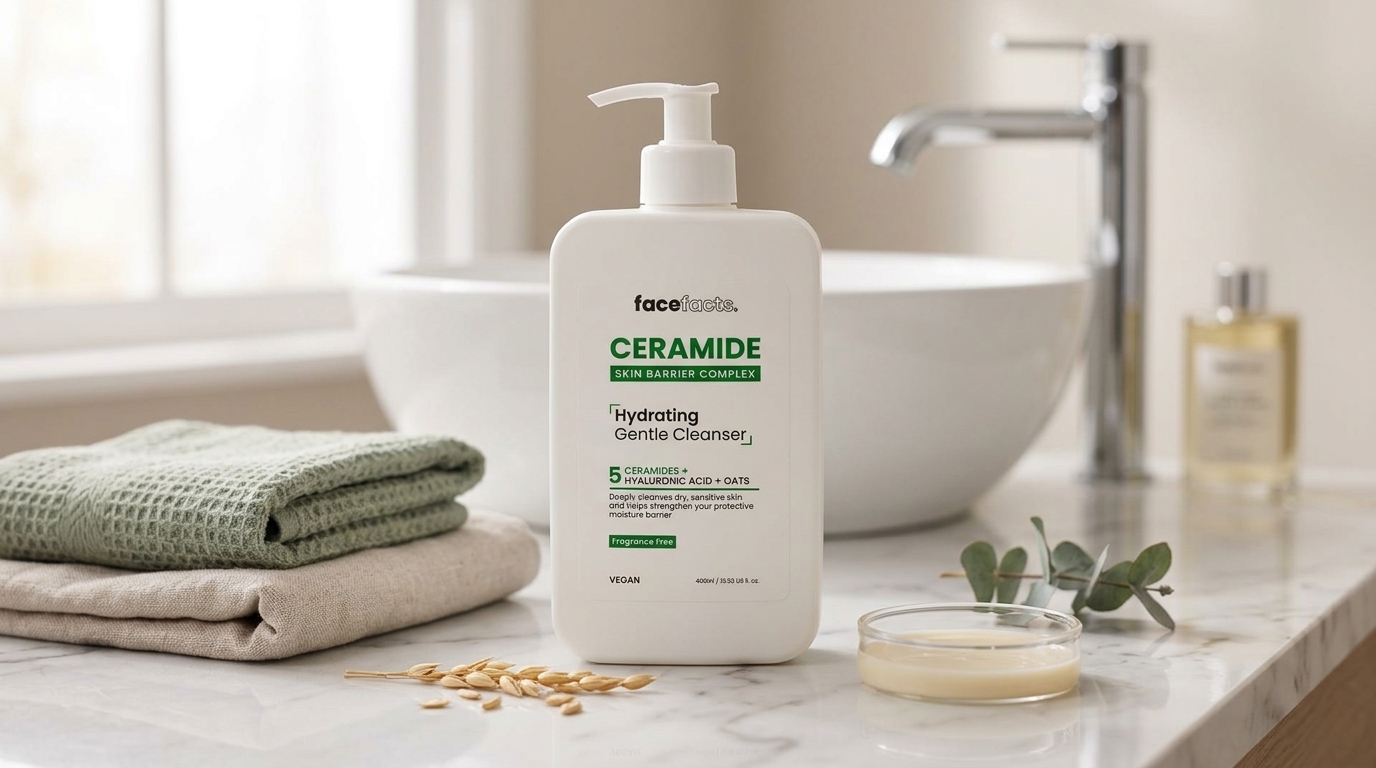
You can get the Face fact Ceramide Hydrating Gentle Cleanser or the La Roche-Posay Effaclar Purifying Foaming Gel from Beauty By Daz.
Anddd you can read our Face Fact Ceramide Foaming Cleanser review
2. The Ordinary Niacinamide 10% + Zinc 1%
For a serum, the Ordinary Niacinamide 10% + Zinc 1% is one of the BEST serums for hormonal acne.
It reduces excess oil, calms redness, fades post-acne dark marks, and strengthens your skin barrier. The zinc addition makes it especially good for oily, breakout-prone skin. And it’s good enough to use it morning and night before your moisturiser.
Alternatively, you can use the Good Molecules Niacinamide Serum. It’s got the same 10% niacinamide concentration, lightweight texture, and it’s just as effective—a great option if you want something slightly more budget-friendly.
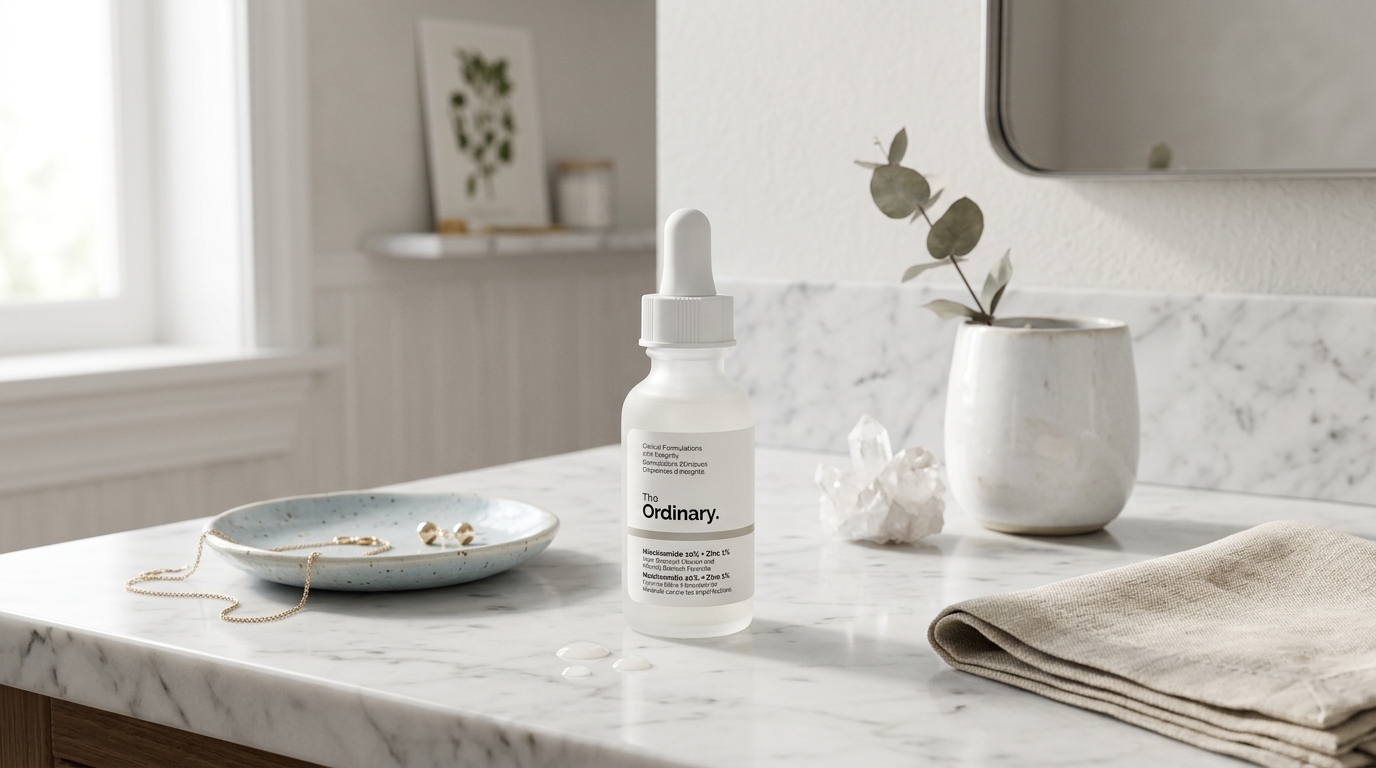
The Ordinary Niacinamide 10% + Zinc 1% and the Good Molecules Niacinamide Serum are both available at Beauty By Daz.
3. Ezanic Azelaic Acid Gel
For an acne treatment, the Ezanic Azelaic Acid Gel is one of the BEST skincare products for hormonal acne. It targets active breakouts, reduces inflammation, and fades the dark marks those deep hormonal cysts always leave behind.
It works on the surface and inside the pores making it one of the most well-rounded skincare products you can use for hormonal acne.
P.S.: It’s one of our best sellers at Beauty By Daz.
However, if your main concern is the marks left behind rather than active breakouts, use the Topicals Brightening Dark Spot Patches. You just place them on like regular pimple patches and leave them overnight.
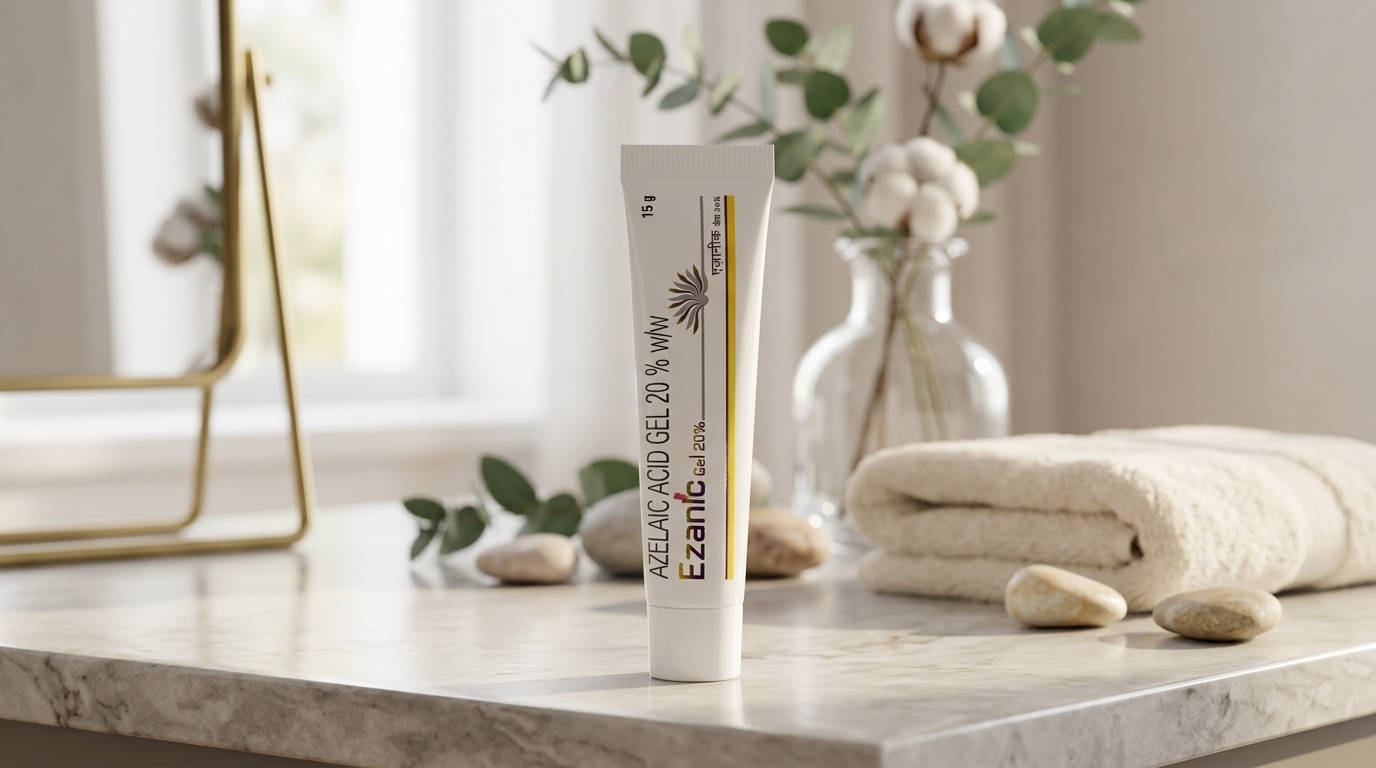
You can get the Ezanic Azelaic Acid Gel and the Topicals Brightening Dark Spot Patches from Beauty By Daz.
P.S.S: You can check out these other face serums for dark spots and hyperpigmentation.
4. A-Ret Tretinoin 0.05% Gel
Next, you need the A-Ret Tretinoin 0.05% Gel. It speeds up cell turnover, prevents pores from getting clogged, reduces inflammation, and improves overall skin texture over time. Start two to three nights a week and build slowly. BUT expect some purging and flaking in the first few weeks. It’s completely normal.
Beauty By Daz Tip: If tretinoin feels too intense, use the CeraVe Resurfacing Retinol Serum. It combines retinol with niacinamide and ceramides, so you get the cell-turnover benefits with less risk of irritation.
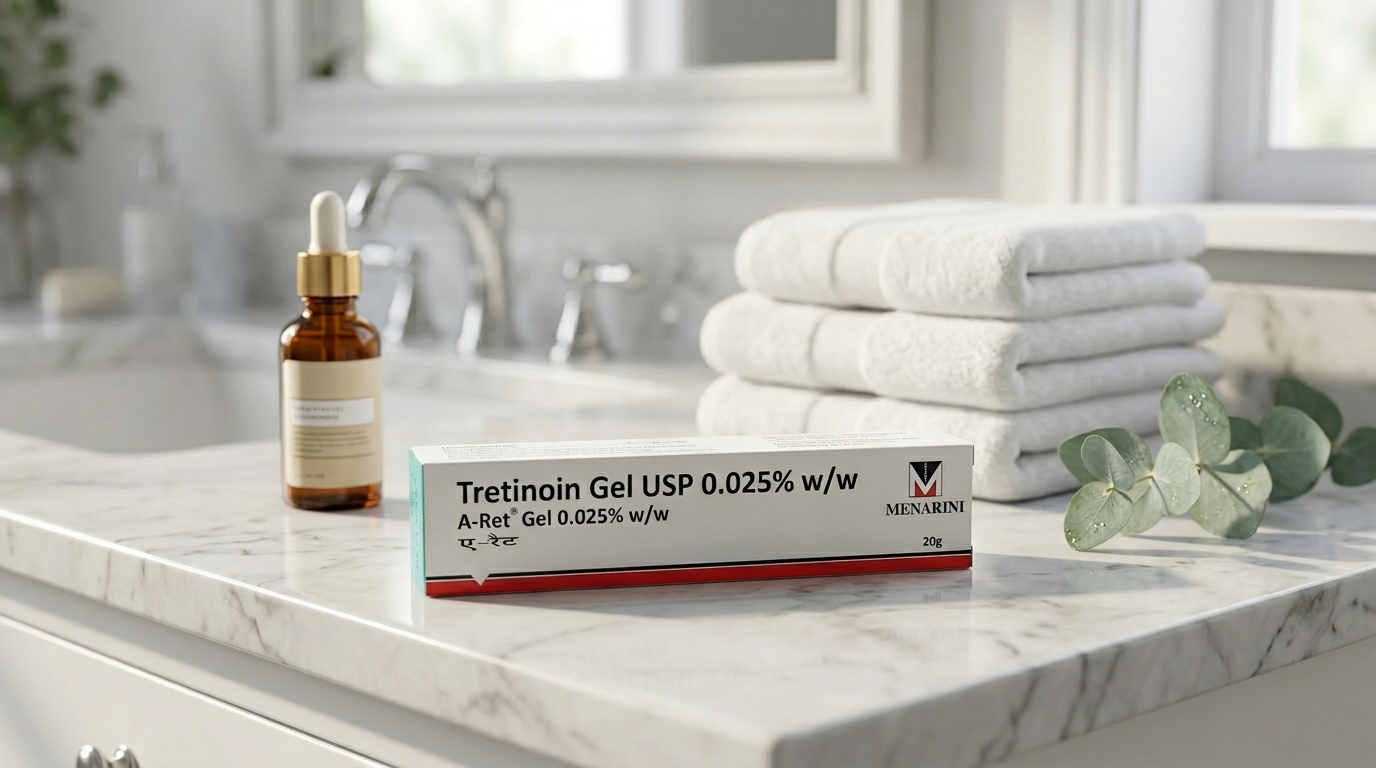
And of course, you can get both the A-Ret Tretinoin 0.05% Gel and CeraVe Resurfacing Retinol Serum from Beauty By Daz. It’s available right now.
5. Facefacts Ceramide Moisturising Gel Cream
When it comes to moisturizers, the Facefacts Ceramide Moisturising Gel Cream is the absolute BEST moisturiser for hormonal acne.
Now, before you even THINK of skipping moisturiser, just know that it’s one of the worst things you can do because dehydrated skin produces more oil to compensate, which makes breakouts worse.
This Facefacts gel cream is lightweight, non-comedogenic, and loaded with ceramides to repair and protect your barrier while your actives do their work, so you won’t even feel a thing on your face.
But if you like, you can try the Simple Hydrating Light Moisturizer. It’s just as good.
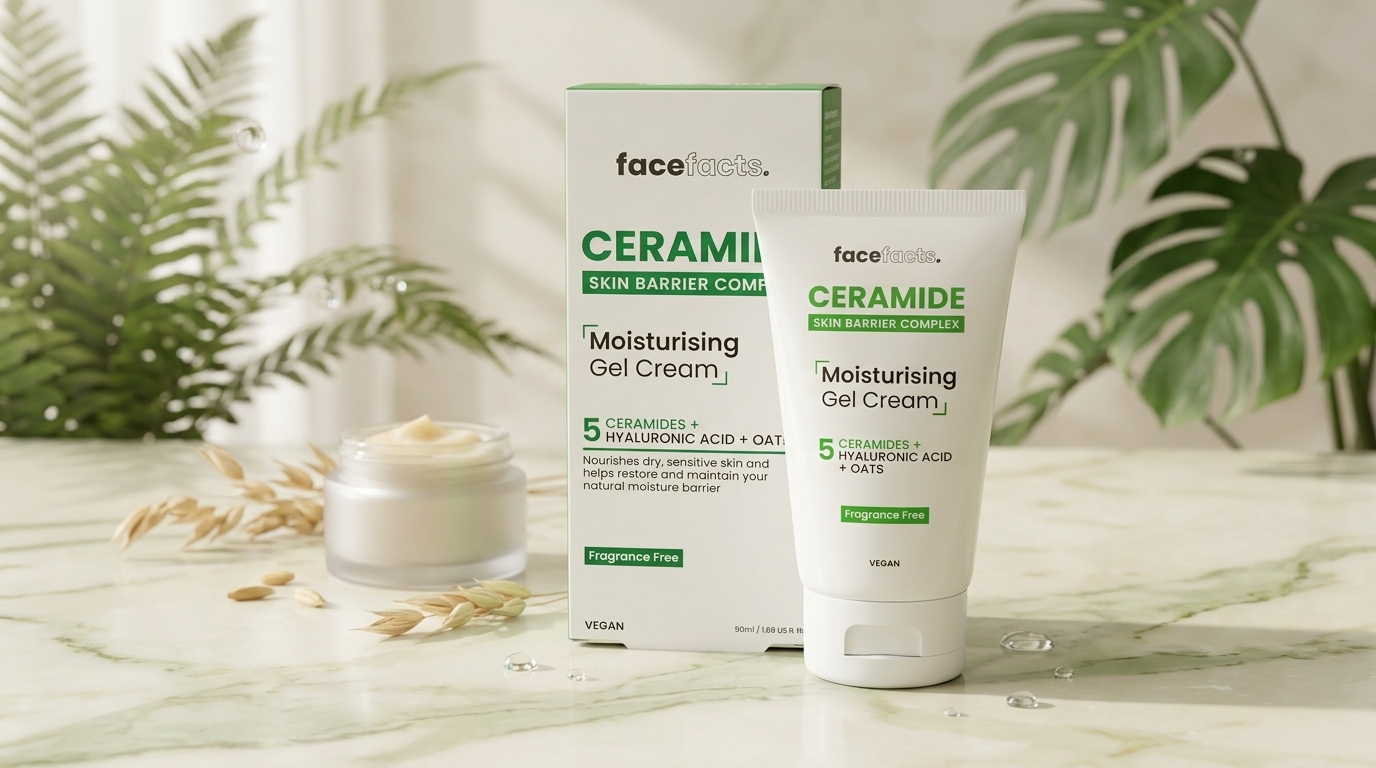
And as always, both the Facefacts Ceramide Moisturising Gel Cream and the Simple Hydrating Light Moisturizer are available at Beauty By Daz. And if you’re still bothered, we have a list of face creams for oily skin you can choose from.
6. Skin Aqua UV Moisture Gel SPF 50
Lastly, you need the Skin Aqua UV Moisture Gel SPF 50 if you have hormonal acne. It has a gel-like consistency, leaves zero white cast, and works well with heat (cries in Nigeria). We actually reviewed it and shared ways to know the real Skin Aqua Sunscreen vs the Fake Skin Aqua
Another great sunscreen for hormonal acne is the Niu Skin Watery Essence Total Effect Sunscreen. It’s equally lightweight, leaves zero whitecast and works WELL with acne-prone skin.
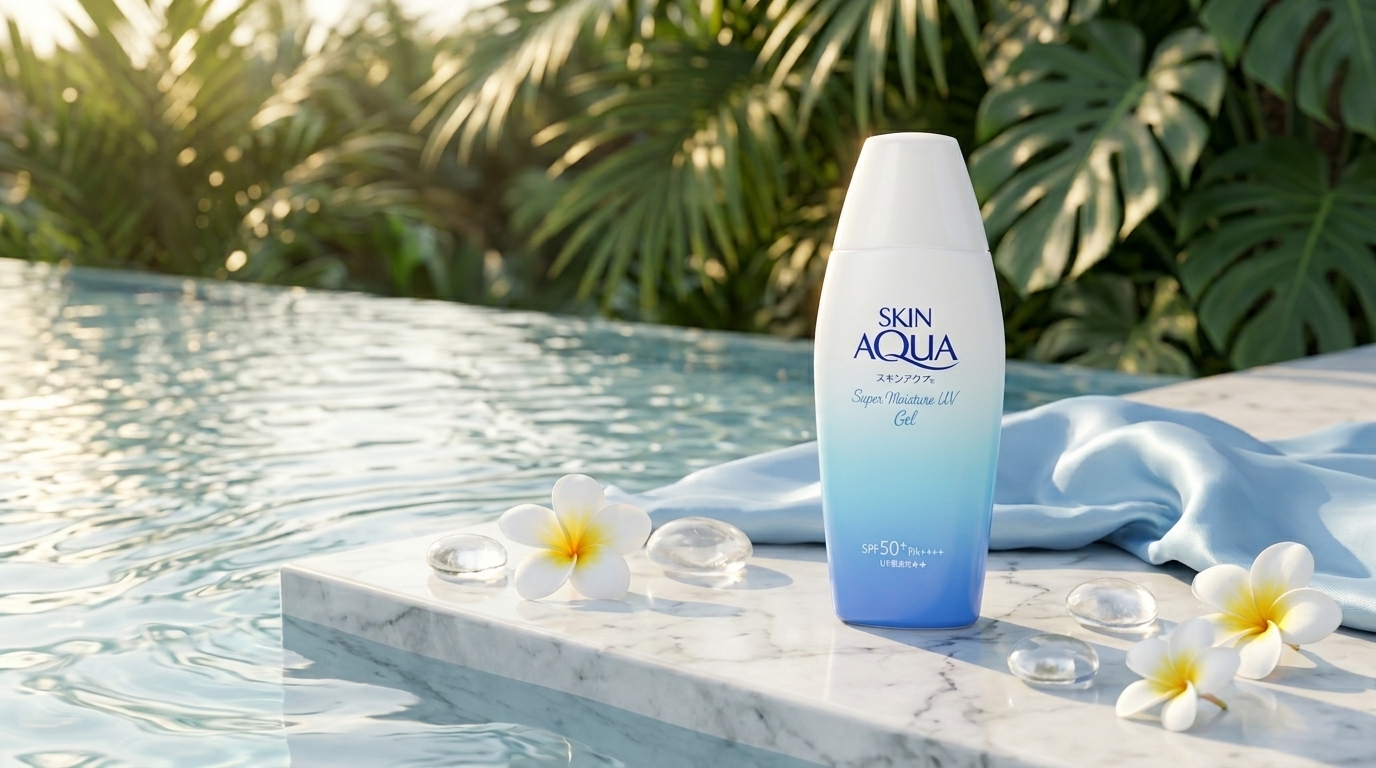
You can get the Skin Aqua UV Moisture Gel SPF 50 and the Niu Skin Watery Essence Total Effect Sunscreen from Beauty By Daz.
By the way, we have a blog on how to choose the best skincare product for your skin type. You’ll want to read it.
When Do I See a Dermatologist or Doctor for Hormonal Acne?
See a doctor when:
- Your acne is cystic, painful, or leaving scars
- You’ve been treating your skin consistently for three to six months without improvement
- Your acne appeared or worsened after a hormonal life event (stopping a contraceptive pill, pregnancy, perimenopause)
- You have other symptoms that suggest PCOS or a hormonal imbalance
- Your breakouts are significantly affecting your mental health or quality of life (yes, it’s a real thing)
A dermatologist can confirm your acne type, rule out underlying conditions, and discuss prescription options — including topical retinoids, spironolactone (an anti-androgen), or combined oral contraceptives — that can be genuinely life-changing for hormonal acne sufferers.
And if you’re wondering where to find a dermatologist in Lagos, book a consultation with Beauty By Daz.
Frequently Asked Questions on Hormonal Acne
1. How Do I Get Rid Of My Hormonal Acne?
To get rid of hormonal acne, you need to treat the internal trigger and the skin itself using the right acne ingredients, healthy lifestyle habits, and sometimes medical support if it is severe.
2. How Do I Tell If My Acne Is Hormonal?
Your acne is likely hormonal if it shows up mostly on your chin, jawline, or lower cheeks, feels deep and painful, and tends to flare around your period or stressful times.
3. What Can I Drink To Clear Hormonal Acne?
No drink can magically clear hormonal acne, but water, balanced nutrition, and cutting back on sugary drinks can help support healthier skin
4. Where Can I Get Skincare Products To Treat Hormonal Acne In Nigeria?
You can get skincare products for hormonal acne from Beauty by Daz, where you can get 100% original products and instant delivery across Nigeria.
5. Can Niacinamide Help Hormonal Acne?
Yes, niacinamide can help hormonal acne because it helps reduce excess oil, calm inflammation, strengthen the skin barrier, and improve the look of post-acne dark marks over time.
6. What Skincare Product Is Good For Hormonal Acne?
Good skincare products for hormonal acne usually includes products with ingredients like niacinamide, salicylic acid, azelaic acid, benzoyl peroxide, and retinoids, because they help keep pores clear, reduce inflammation, and support clearer skin over time.
7. What Products Should I Buy for Hormonal Acne-Prone Skin?
The best skincare products to buy for hormonal acne-prone skin are the Facefacts Ceramide Hydrating Gentle Cleanser, The Ordinary Niacinamide 10% + Zinc 1%, Ezanic Azelaic Acid Gel, A-Ret Tretinoin 0.05% Gel, Facefacts Ceramide Moisturising Gel Cream, and the Skin Aqua UV Moisture Gel SPF 50. You can get all of them from Beauty By Daz.
Final Thoughts: Treating Hormonal Acne in Nigeria
We understand how annoying hormonal acne can be. Because it’s not just “a few pimples.” They’re big, painful cysts that chip away your confidence. We do get it.
But the good new is that hormonal acne can be treated. Once you understand what is really causing it and start using the right products or treatment plan, things can actually get better.
So if this is something you have been struggling with, bookmark this blog and read it THOROUGHLY. It will save you from wasting money on things that are not solving the problem.
We would also strongly advise that you speak to a dermatologist at Beauty By Daz to fast track your treatments.